Bertha Aguilar and Milagros Samillán share the stories of their brothers, who were killed amid the repression of Peru’s 2022 protests, and reflect on their families’ continuing struggle for truth, justice, reparations, and guarantees that such violence will not be repeated.

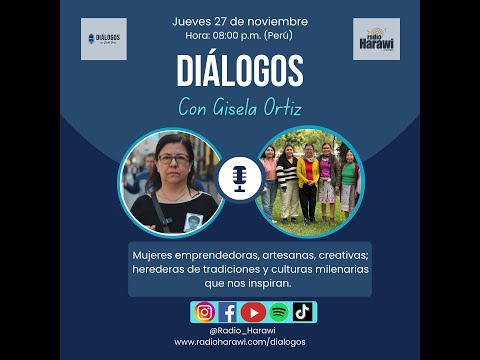
During Peru’s period of political violence, many women were forced to reinvent their lives after the disappearance or killing of loved ones. In this episode, we speak with women entrepreneurs about how work, creativity, and mutual support became ways to sustain their families with dignity—and to build new paths forward in the aftermath of violence.

Gisela Ortiz speaks with Peruvian forensic archaeologist Franco Mora Félix about his work in Peru and worldwide, and the challenges forensic anthropology faces in the ongoing search for truth, identification, and justice.

Gisela Ortiz speaks with Sharmelí Bustíos about her family’s long struggle for justice following the 1988 killing of her father, journalist Hugo Bustíos, and the political and legal consequences of Peru’s amnesty law.

Gisela speaks with Peruvian graphic artist Álvaro Portales about art as a powerful tool for social and political critique, remembrance, and resistance—and the artist’s responsibility in times of crisis and silence.

Doña Norma carries with her the memory and dignity of those who refuse to let the past be forgotten. In this episode, we talk about Melissa—her life, her journalistic calling, and what it means for a mother to keep her daughter’s memory alive in the face of impunity.

Gisela Ortiz speaks with Carmen Amaro Cóndor about the long journey families of victims have undertaken, the progress made and the setbacks endured, and the wounds and dangers the amnesty law has reopened.